Key Takeaways:
- Community Resources Are Vital for Recovery: Substance abuse community resources, such as support groups, housing assistance, and educational workshops, play a crucial role in bridging the gap between treatment and long-term recovery.
- Aliya Academy Empowers Professionals: By offering free, NAADAC-approved CEU courses, Aliya Academy equips behavioral health professionals with the knowledge and skills to strengthen community resources.
- Addressing Workforce Shortages: In areas with limited access to mental health professionals, well-trained local providers and peer networks become essential lifelines for those in need.
- Education Drives Community Empowerment: Knowledgeable professionals improve outcomes, reduce stigma, and advocate effectively for better addiction and mental health services.
Question:
Where can I find substance abuse community resources?
Answer:
Substance abuse community resources are essential for sustainable recovery, offering support that extends beyond clinical treatment. Aliya Academy strengthens these resources by providing free, NAADAC-approved CEU courses, empowering behavioral health professionals to deliver evidence-based care. In underserved areas, where mental health professionals are scarce, these trained providers and peer networks become critical. By fostering education, Aliya Academy not only enhances professional expertise but also reduces stigma, improves recovery outcomes, and strengthens advocacy efforts. Together, these initiatives create a robust safety net for individuals and communities battling addiction.
Addiction is rarely a battle fought in isolation. It ripples outward, affecting families, workplaces, and entire neighborhoods. Conversely, recovery often requires a village—a network of support that extends far beyond the walls of a clinical treatment center. This is where substance abuse community resources become vital. They bridge the gap between initial treatment and long-term recovery, providing the safety net that individuals need to rebuild their lives.
For behavioral health professionals, understanding and utilizing these resources is not just about having a list of phone numbers; it’s about creating an ecosystem of care. At Aliya Academy, we believe that education is the foundation of this ecosystem. By empowering professionals with free, high-quality training, we strengthen the very community resources that save lives.
The Vital Role of Community in Recovery
When we talk about recovery, we often focus on the individual’s journey—detox, therapy, and abstinence. However, the environment in which a person recovers plays a massive role in their success. Community resources offer the social capital necessary for sustainable change.
These resources can take many forms, including:
- Support Groups: Peer-led groups like AA, NA, or SMART Recovery that offer shared experience and accountability.
- Educational Workshops: Programs that teach life skills, financial literacy, or stress management.
- Housing and Employment Assistance: Services that address the social determinants of health, ensuring individuals have a safe place to live and a way to support themselves.
- Professional Development: Training for the counselors and case managers who serve these populations.
Without these pillars, a patient leaving a treatment facility often returns to the same stressors that contributed to their substance use. Community resources provide the “warm handoff” that ensures continuity of care.
Bridging the Gap in Mental Health Deserts
The State of the Behavioral Health Workforce report highlights a startling reality: over one-third of the U.S. population lives in a Mental Health Professional Shortage Area. In rural communities, this shortage is even more acute.
In these areas, community resources are not just helpful—they are often the only lifeline available. When a licensed psychiatrist isn’t available for 50 miles, a well-trained addiction counselor or a robust peer support network becomes the primary source of care. This makes the education of local providers critical. If we can’t instantly multiply the number of doctors, we can certainly elevate the skills of the existing workforce through accessible education.
Curious About Our Continuing Education Courses?
We invite you to browse and sign up for Aliya Academy's free, NAADAC-accredited, clinician- and doctor-led continuing education courses for behavioral health professionals.
Upcoming CEU CoursesHow Aliya Academy Supports the Community
Aliya Academy operates at the intersection of professional development and community support. We understand that the strength of substance abuse community resources relies heavily on the competence and confidence of the people delivering them.
We support the behavioral health community through three main pillars:
1. Free, Accessible Education
Cost should never be a barrier to expertise. Many local non-profits and community clinics operate on razor-thin budgets. Allocating funds for expensive continuing education units (CEUs) is often impossible. Aliya Academy solves this by offering NAADAC-approved CEU trainings completely free of charge.
This allows case managers, social workers, and counselors to stay current on the latest evidence-based practices without financial strain. Whether it’s trauma-informed care or new methodologies in addiction treatment, our courses ensure that community providers are equipped with top-tier knowledge.
2. Networking and Collaboration
Isolation affects professionals just as much as it affects patients. Burnout is a significant issue in the behavioral health field. Our platform serves as a hub where professionals can connect, share insights, and support one another. By fostering a community of practice, we help reduce burnout and keep talented individuals in the workforce longer.
3. Diverse and Inclusive Curriculum
Effective community resources must reflect the people they serve. We prioritize a curriculum that addresses the diverse needs of various populations, including training certified by White Bison’s Wellbriety Curriculum and support for LGBTQ+ addiction professionals. Cultural competence is key to building trust within a community, and our educational resources are designed to foster that understanding.
Empowering Communities to Combat Addiction
When behavioral health professionals are well-trained, the entire community benefits. An educated workforce can identify issues earlier, provide more effective interventions, and navigate the complex web of social services more efficiently.
Here is how robust educational resources translate into community empowerment:
- Better Outcomes: Clinicians armed with the latest research can implement treatments that actually work, reducing relapse rates.
- Reduced Stigma: Education combats myths. When providers understand the biology and psychology of addiction, they treat patients with greater empathy. This attitude shifts public perception, reducing the stigma that often prevents people from seeking help.
- Stronger Advocacy: Knowledgeable professionals are better advocates. They can speak articulately to policy makers and community leaders about what is needed to fight the opioid crisis or improve mental health services.
Actionable Steps for Professionals
If you are a behavioral health professional looking to strengthen your local substance abuse community resources, consider these steps:
- Expand Your Knowledge: Take advantage of free CEU courses to learn about niche topics affecting your specific community, such as rural health challenges or adolescent addiction.
- Build Your Network: Don’t work in a silo. Connect with other local organizations. Knowing who handles housing, who handles food security, and who handles legal aid allows you to offer holistic support to your clients.
- Share Resources: If you find a valuable training or a helpful article in our resource library, share it with your colleagues. A rising tide lifts all boats.
The Value of Treatment
Many people searching for help with alcoholism and drug abuse often begin by reviewing frequently asked questions (FAQ) to better understand their options for substance abuse treatment and the recovery process. Effective alcoholism treatment and treatment of alcohol dependence typically include multiple levels of care, such as residential treatment, intensive outpatient, and outpatient programs, depending on a person’s needs and withdrawal symptoms. Comprehensive treatment programs address both alcohol and drug use, as well as substance abuse and mental health concerns, through evidence-based approaches like behavioral therapy and peer support groups such as Alcoholics Anonymous. In addition to structured abuse treatment, prevention programs and ongoing treatment resources play a vital role in helping individuals manage substance use disorders and maintain long-term sobriety. By offering personalized alcohol and drug treatment programs, providers can support each person’s journey toward lasting recovery and improved well-being.
Learn More Today!
The fight against addiction is a collective effort. It requires a fabric of support woven from engaged families, accessible healthcare, and dedicated professionals. By strengthening the skills and knowledge of those on the front lines, we strengthen the entire safety net.
Aliya Academy is proud to be a cornerstone of this effort. By providing free, high-quality education, we ensure that substance abuse community resources across the country are staffed by capable, compassionate, and informed professionals.
Join us in our mission to elevate behavioral health care. Explore our free CEU courses today and become a stronger advocate for your community.
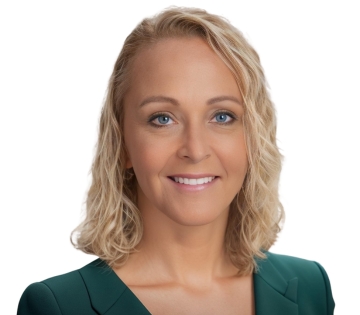
Lisa Tomsak, DO Medical Reviewer
Lisa Tomsak, DO, provides her medical expertise to review and approve all content appearing on our blogs. Dr. Tomsak uses her experience in delivering a holistic spectrum of medical care to people recovering from addiction and mental illness to guide her.
-
View all posts
Evan Gove serves as the Senior Strategist of Organic Growth for Aliya Health Group’s nationwide network of behavioral health treatment centers. Since 2023, he has developed SEO strategies and managed content production. He earned his BA in Writing and Rhetoric from Hobart and William Smith Colleges.
-
View all posts
Lisa Tomsak, DO, provides her medical expertise to review and approve all content appearing on our blogs. Dr. Tomsak uses her experience in delivering a holistic spectrum of medical care to people recovering from addiction and mental illness to guide her.