Sumner, WA
Lacey, WA
Spokane, WA
Oklahoma City, OK
Phoenix, AZ
Las Vegas, NV
Prescott, AZ


Key Takeaways
- Xylazine is a powerful animal sedative that is not approved for human use. It has increasingly been found mixed with illicit opioids, particularly fentanyl, creating additional risks for people who use these drugs.
- Fentanyl mixed with xylazine can cause serious and potentially fatal effects, including extreme drowsiness, confusion, slowed breathing and heart rate, nausea, vomiting, disorientation, and hallucinations.
- Xylazine can complicate opioid overdose response. Naloxone (Narcan) can reverse the opioid effects of fentanyl, but it does not reverse xylazine’s effects, meaning a person may remain sedated or unresponsive after naloxone is administered.
- Illicit fentanyl supplies can contain unexpected substances. Because people may not know whether fentanyl or other drugs contain xylazine, professional addiction treatment can help people address substance use and reduce overdose risks.
What Is Xylazine and Why Is It Dangerous?
What is the drug Xylazine?
Xylazine is a sedative used in veterinary medicine that is not approved for human use. The drug has increasingly been detected in illicit drug supplies, particularly alongside fentanyl, creating serious health and overdose concerns. When xylazine and fentanyl are combined, their effects can lead to extreme drowsiness, confusion, slowed breathing and heart rate, nausea, vomiting, disorientation, and other dangerous symptoms. One important concern is that naloxone (Narcan) does not reverse xylazine’s effects. Naloxone can still reverse the opioid component of an overdose involving fentanyl, but a person may remain sedated or unresponsive because xylazine is not an opioid. The presence of xylazine also highlights the risks associated with illicit drug supplies, where people may unknowingly consume substances they did not intend to take. Anyone struggling with fentanyl or other substance use can benefit from professional addiction treatment, including medically supervised detox and ongoing recovery support.
We’ve all seen the news about the growing risk that fentanyl poses to our society. Fentanyl is a powerful synthetic opioid analgesic that is similar to morphine but is 50 to 100 times stronger. It is intended as a prescription drug approved for treating severe pain. The drug has also been used illegally as a recreational drug due to its potency and rapid onset of action. Fentanyl abuse carries serious risks due to its high potency and the potential for overdose death.
Now, there’s a new reason to avoid fentanyl, according to Dr. Rahul Gupta, Director of the White House Office of National Drug Control Policy. In a press release put forth by the White House, Dr. Gupta warns of an emerging threat called xylazine that is making its way into fentanyl. When mixed, these two drugs can cause severe health problems and fatal overdoses. In the release, officials refer to fentanyl-laced with xylazine as “FAAX”. That acronym stands for fentanyl-adulterated or -associated xylazine.
In the press release, Dr. Gupta is quoted as saying, “As a physician, I am deeply troubled about the devastating impact of the fentanyl-xylazine combination, and as President Biden’s drug policy advisor, I am immensely concerned about what this threat means for the Nation.”
What Is Xylazine?
Xylazine is a sedative used for large and small animals. This includes horses, dogs, cats, and pigs. It is often used to tranquilize animals before medical procedures or surgery. The drug works by blocking nerve signals in the brain that stimulate certain muscles. As a result, the animal becomes calm and relaxed. Xylazine can also be used as an analgesic to relieve pain in some animals.
It is NOT approved for use in humans. Unfortunately, the drug is finding its way into fentanyl supplies and causing serious problems for those who mistakenly ingest it. According to statistics from the Drug Enforcement Administration, the prevalence of xylazine following a fatal overdose increased dramatically between 2020 and 2021. Their research found a 100% increase in cases in the Northeast, a 500% increase in the Midwest, a 750% increase in the West, and a staggering 1,127% increase in the Southern United States.
Research compiled by the Centers for Disease Control and Prevention found that in the 10 major cities studied, only 1% of drug overdoses in 2015 involved xylazine. Five years later in 2020, that number increased to 7%. A Maryland syringe service program found that over the course of 2020 and 2021, around 80% of all drugs containing opioids tested at their facility contained xylazine.

What Happens When You Mix Fentanyl and Xylazine?
Mixing xylazine and fentanyl is not advised. At all.
Abusing the two can lead to several dangerous health consequences. Xylazine is used as an animal sedative, but when combined with the powerful synthetic opioid fentanyl, it can significantly increase its effects on humans. This combination intensifies some of the common side effects associated with both drugs. These side effects include:
- Drowsiness
- Confusion
- Slowed breathing and heart rate
- Nausea and vomiting
Xylazine exposure can also cause severe skin wounds, including severe wounds that raise ongoing wound care concerns and the risk of infection.
In addition to these physical symptoms, the presence of xylazine in fentanyl may cause serious psychological consequences such as paranoia, hallucinations, and disorientation.
Another emerging threat associated with fentanyl mixed with xylazine is that it can disrupt the effectiveness of the life-saving drug Narcan, which is used in an opioid overdose. There is no approved antidote for xylazine in humans, so giving naloxone only treats the opioid part of an overdose involving xylazine and may help restore normal breathing. However, administering Narcan to someone overdosing on both drugs may not work in the same way. While Narcan can stop opioid overdose, it doesn’t reverse the effects of xylazine in the same way or bring someone back to normal breathing if xylazine is driving the sedation. That means someone may not wake up right away like they do when Narcan is administered to an opioid overdose victim. Always call 911 if someone is overdosing, and keep giving naloxone every two minutes if available. Access to naloxone, drug checking, and other harm reduction strategies supports safer drug use practices and broader harm reduction.
Latest Updates Timeline
-
: Continuing Education for Addiction Counselors
Continuing education (CE) refers to post-certification or post-degree training that professionals complete to maintain their licenses and stay current in their field. For addiction professionals, this ongoing education ensures they possess up-to-date knowledge on treatments, therapies, and ethical standards.
Licensing boards require continuing education in addiction counseling to protect the public. By mandating regular training, state boards and national certification bodies guarantee that counselors use current, evidence-based practices rather than outdated methods.
Most credentialing organizations and state licensing boards operate on strict renewal cycles. To maintain your license to practice, you must submit proof that you have completed a specific number of approved CE hours within that timeframe.
-
: Fighting Addiction Through Education
Addiction education for families simply means learning the facts about substance use and how it affects people. You do not need to understand complex clinical terms. Instead, education focuses on practical knowledge and finding new resources for assistance.
When you learn about addiction, you explore:
- Common risk factors and triggers
- Early warning signs of substance misuse
- How substances physically affect the brain and behavior
- Healthy communication strategies for difficult conversations
- Available treatment and ongoing support options
Caregiver addiction education is not just for therapists or doctors. It is for parents, guardians, and families who want to build a safe, supportive environment for the people they care about most.

Finding Help for Drug and Alcohol Abuse
When you or a loved one are struggling with substance abuse, finding help right away is critical for recovery. The longer someone waits, the higher the risk of negative health effects, more intense withdrawal symptoms, and fatal overdose become. People who use drugs like fentanyl are taking a huge risk as the chances there’s something else in the drug seems to be growing by the day. Ending a fentanyl use disorder immediately is the best way to prevent an accidental overdose of fentanyl laced with xylazine.
Royal Life Center is a provider of mental health counseling and addiction recovery. Our philosophy is centered on research-based and holistic approaches. That way, guests can find what best supports their recovery journey.
If you or a loved one is struggling with substance abuse, please feel free to reach out to us at 877-RECOVERY. Our addiction specialists are available 24/7 to assist you through this time and find hope in recovery.
Frequently asked questions
Is xylazine an opioid?
No. Xylazine is not an opioid. It is a sedative that acts on the central nervous system. However, it is increasingly found mixed with illicit opioids such as fentanyl.
Why is xylazine dangerous?
Xylazine can cause extreme sedation, slowed breathing, dangerously low blood pressure, and loss of consciousness. When combined with opioids or other substances, the risk of a life-threatening overdose can increase.
What happens when someone takes xylazine?
Exposure can cause drowsiness, confusion, slowed heart rate, low blood pressure, difficulty breathing, and unconsciousness. The effects can become more severe when xylazine is combined with other drugs.
What are the signs of a xylazine overdose?
Signs may include extreme sleepiness or unconsciousness, slow or difficult breathing, slow heart rate, low blood pressure, and pinpoint pupils. A person who cannot be awakened or is having trouble breathing needs emergency medical attention.
Can naloxone reverse a xylazine overdose?
Naloxone does not reverse the effects of xylazine because xylazine is not an opioid. However, xylazine is often found alongside opioids, so naloxone should still be given when an opioid overdose is suspected. Emergency medical help should also be called immediately.
Published by:
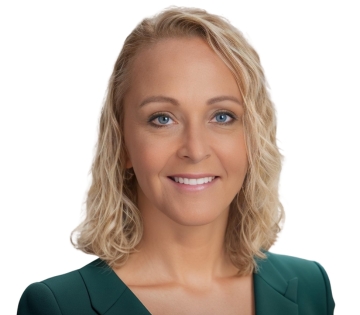
Lisa Tomsak, DO
Writer & Blogger
Legally Reviewed
Reviewed for legal and compliance considerations by Royal Life Centers.
This article is intended for general educational purposes and does not constitute legal or medical advice.
Fact-Checked
Fact-checked and medically reviewed for accuracy using current information from the CDC and U.S. Food and Drug Administration (FDA). Information should be reviewed periodically as guidance and research evolve. The CDC identifies xylazine as a non-opioid sedative not approved for human use and notes risks including respiratory depression, slowed heart rate, low blood pressure, and serious wounds.
References
- Centers for Disease Control and Prevention (CDC). Xylazine: What You Should Know. May 16, 2024. CDC
- U.S. Food and Drug Administration (FDA). FDA Alerts Health Care Professionals of Risks to Patients Exposed to Xylazine in Illicit Drugs. November 8, 2022. U.S. Food and Drug Administration
- U.S. Food and Drug Administration (FDA). FDA Takes Action to Restrict Unlawful Import of Xylazine. February 28, 2023. U.S. Food and Drug Administration
- Centers for Disease Control and Prevention (CDC). Xylazine: Clinical Management and Harm Reduction Strategies for Patients. CDC
- Kariisa M, Patel P, Smith H, Bitting J. Notes from the Field: Xylazine Detection and Involvement in Drug Overdose Deaths — United States, 2019. CDC, MMWR. September 17, 2021. CDC
- Centers for Disease Control and Prevention (CDC). Reported Xylazine Use Among Adults Aged ≥18 Years Evaluated for Substance Use Treatment — United States, July 2022–September 2023.
Have you or a loved one been struggling with addiction?
A substance use disorder can affect every part of your life. You don't have to face it alone.
Speak with our admissions team today to learn about treatment options, verify your insurance, and find the level of care that may be right for you.
Table of Contents
Take the First Step
Step into a brighter day
You don’t have to have it all figured out. Call when you’re ready — or send us your number, and a caring admissions specialist will reach out to you.
Royal Life Centers’ treatment is built upon honesty, respect, humanism, and always putting our guests first. Because We Care.
About
- Programs
- Specialty Tracks
- Clinical Approach
- Therapy
HOW TO GET STARTED
- FAQ
- Rehab Payment Options
- Does Insurance Cover Rehab?
- Verify My Insurance
RESOURCES
- Blog
- Loved Ones
- Referrals
- Therapy
- Career
© 2026 Royal Life Centers. All rights reserved.